
HESU UPVC Roofing Sheet — Built for Harsh Environments, Built to Last
UPVC roofing sheet is a rigid, profiled plastic roof covering used where corrosion, moisture, and repeated exposure to agricultural or industrial environments make uncoated metal difficult to maintain. HESU supplies corrugated and hollow UPVC profiles for workshops, warehouses, farm buildings, coastal structures, and selected renovation roofs. Performance depends on the sheet structure, profile geometry, roof pitch, support spacing, side and end laps, fastener pressure, and allowance for thermal movement.

Karina Su
Call: +86 15306896380
UPVC Roofing Sheet Profiles and Material Structures
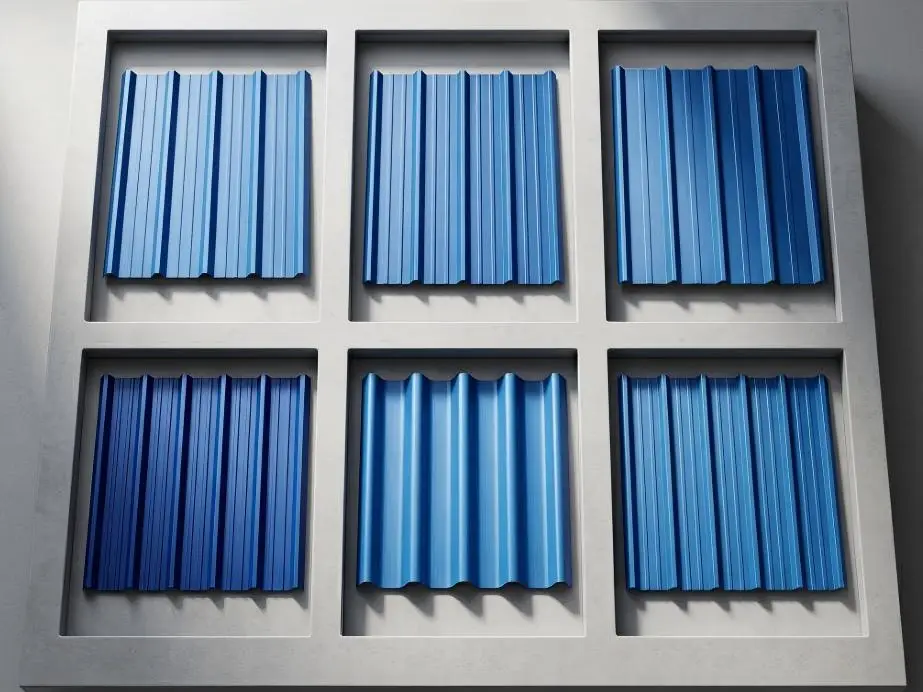
- Corrugated UPVC roofing sheet (T1130 profile): 1130mm effective width with listed thickness options from 1.5mm to 3mm. The repeating corrugated profile supports drainage and profile stability on workshops, warehouses, and agricultural roofs.
- Double-layer hollow UPVC roofing sheet (T940 profile): 940mm effective width with listed thickness options from 6mm to 12mm. Its internal air space changes heat and sound behavior, but roof pitch and support layout still control the installed result.
- ASA-coated UPVC roofing sheet: An ASA weathering surface can be combined with UPVC structural layers for tile, Roman, or flat profiles. Color and weathering statements should follow the selected surface layer and its verified product specification.
Where UPVC Roofing Sheets Fit Best
UPVC Roofing Sheet for Industrial Workshops
- Rigid corrugated profiles suit roofs that need defined drainage channels and resistance to humid or corrosive air. Chemical compatibility still depends on concentration, temperature, exposure time, and the metal fasteners used with the sheet.
UPVC Roofing Sheet for Farm & Warehouse Buildings
- Livestock moisture, ammonia, stored materials, and condensation make ventilation and fastener selection as important as the sheet body. The roof needs suitable slope, support spacing, and a clear drainage path.
UPVC Roofing Sheet for Coastal Buildings
- The UPVC sheet body does not rust, but screws, washers, purlins, flashing, and standing water remain exposed to salt and humidity. See the UPVC roofing sheets coastal application guide for the complete roof-system logic.
UPVC Roofing Sheet for Roof Renovation Projects
- Lower sheet weight can reduce added roof load, but the existing frame, purlin condition, roof pitch, and drainage layout must still be checked. Compare the wider types of roofing sheet before assigning a material to the existing structure.
What Controls UPVC Roof Performance?
1. Material and Corrosion Conditions
The UPVC sheet body does not rust like exposed steel. Its suitability in industrial air still depends on the chemical type, concentration, temperature, contact time, and cleaning conditions.
Metal components remain part of the roof system. Screws, washers, purlins, and flashing need materials suited to the same exposure. This system view is especially important in coastal UPVC roofing.
2. Sheet Structure and Heat Movement
UPVC has different thermal behavior from metal, but a plastic sheet alone should not be described as complete roof insulation. Hollow profiles add internal air spaces, while single corrugated profiles rely more heavily on ventilation and the building below.
Both PVC and UPVC move as temperature changes. Long sheets accumulate more movement, so hole allowance, washer pressure, sheet length, and obstructions at walls or ridges must be coordinated. The PVC vs UPVC roofing sheet guide explains the material difference.
3. Profile Stability and Weather Exposure
Thickness, formulation, profile depth, and support spacing work together. An impact or load value only applies to the tested sheet profile and support condition; it should not be treated as a universal value for every UPVC panel.
UV exposure, roof orientation, color, surface layer, drainage, and maintenance affect appearance over time. ASA-coated profiles should be identified separately from standard UPVC because the exposed surface structure is different.
4. Installation Details That Protect the Sheet
The approved profile drawing should control effective coverage, side lap, end lap, roof pitch, and purlin layout. A similar-looking profile can produce a poor lap if crown height or wave spacing differs.
Fasteners should seal the roof without crushing the profile or locking thermal movement. Clean pre-drilling, compatible washers, straight screw alignment, and controlled tightening matter for both UPVC and PVC roofing sheets.
Discuss Roof Profile and Application Conditions
FAQ About UPVC Roofing Sheets
What is UPVC roofing sheet made of?
UPVC means unplasticized polyvinyl chloride. Roofing formulations combine the rigid vinyl structure with stabilizers, pigments, processing aids, and other modifiers selected for the profile and exposure. An ASA-coated UPVC sheet adds a separate weathering surface above the UPVC structural layer.
What is the difference between PVC and UPVC roofing sheets?
PVC roofing sheets are generally formulated for more flexibility during handling and forming. UPVC uses a more rigid structure that supports profile stability. Both materials still need suitable roof pitch, support spacing, overlap, fastener pressure, and thermal-movement allowance. See the PVC vs UPVC roofing sheet comparison.
Are UPVC roofing sheets suitable for coastal areas?
They can be suitable when the complete roof system addresses salt, humidity, drainage, and condensation. The sheet body does not rust, but screws, washers, purlins, flashing, and other metal parts still need compatible corrosion resistance. Read the coastal UPVC roofing guide.
What controls overlap and purlin spacing for UPVC roof sheets?
The selected profile drawing, sheet thickness, roof pitch, drainage length, wind conditions, and support material control these dimensions. Side laps must match the profile geometry, while end laps should land over suitable support. One universal spacing or overlap value should not be applied to every UPVC sheet.
How long can a UPVC roofing sheet last?
There is no single service-life number for every UPVC roofing sheet. Formulation, thickness, surface layer, UV exposure, roof pitch, support spacing, fasteners, drainage, and maintenance all affect the result. A specific lifespan or warranty should be tied to the selected product specification and its stated conditions.