Feuilles de toiture en polycarbonate ondulé pour l'éclairage naturel du toit
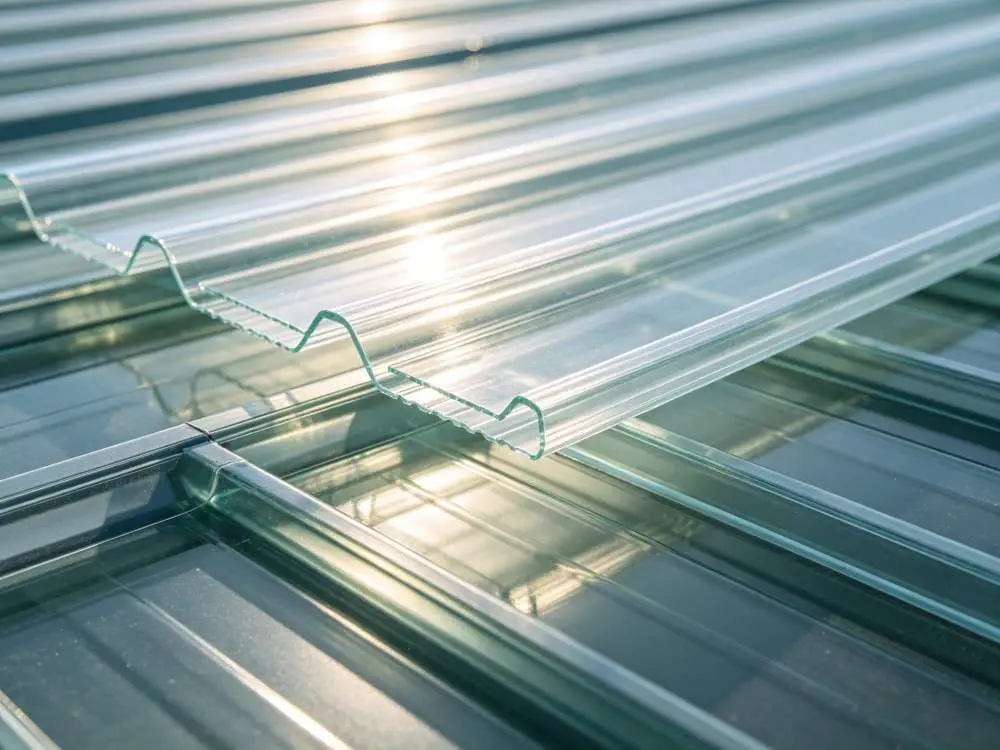
Feuilles de toiture ondulées en polycarbonate HESUsont légers, panneaux de toiture transparents ou translucides conçus pour introduire la lumière naturelle dans les environnements industriels, commercial, bâtiments agricoles et résidentiels. Ils peuvent être utilisés comme panneaux de toiture complets ou comme bandes d'éclairage naturel intégrées à du métal compatible., Profilés de toiture en PVC ou UPVC.
Clair, bleu, vert, bronze, des couleurs opales et personnalisées sont disponibles. Épaisseur de la feuille, longueur, la largeur efficace et le profil ondulé peuvent être sélectionnés en fonction du système de toiture et des exigences du projet. Des options de protection contre les UV sont disponibles pour les applications sur toit extérieur.
Pour une correspondance de profil précise, veuillez fournir le dessin de la feuille de toiture existante, dimensions des vagues, épaisseur requise, couleur, longueur et quantité.

Karina Su
Appel: +86 15306896380
Spécifications de la feuille de toiture en polycarbonate ondulé
| Article | Spécification disponible |
|---|---|
| Nom du produit | Feuille de toiture en polycarbonate ondulé |
| Matériel | Résine polycarbonate |
| Structure | Tôle ondulée simple peau |
| Options de surfaces | Clair, teinté, opale ou diffuse |
| Couleurs disponibles | Clair, bleu, vert, bronze, gris, opale ou personnalisé |
| Épaisseur | Selon le modèle de produit et les exigences du projet |
| Longueur | Standard ou personnalisé |
| Profil | Ondulé, conception trapézoïdale ou adaptée au profil |
| Largeur efficace | Selon profil sélectionné |
| Protection UV | Option de protection UV sur un seul côté ou spécifiée |
| Application | Éclairage naturel du toit, baldaquin, entrepôt, ferme, serre et passerelle |
| Installation | Fixation mécanique avec vis et rondelles d'étanchéité compatibles |
| Personnalisation | Profil, épaisseur, couleur, longueur, transparence et emballage |
| Type de fourniture | De gros, OEM, distributeur et fourniture de projets |
| Emballage | Film de protection et emballage d'exportation selon les exigences de la commande |
Où le polycarbonate ondulé s'intègre-t-il dans la gamme de tôles de toiture
Ce produit appartient à Types de feuilles de toiture → PC / Feuille de toiture en polycarbonate → Feuilles de toiture en polycarbonate ondulé. La distinction est structurelle, pas une différence mineure dans les spécifications.
| Type de feuille PC | Structure physique | Rôle typique du toit |
|---|---|---|
| Polycarbonate ondulé | Peau à profil unique avec couronnes et vallées répétitives | Lanterneaux, auvents, toits agricoles, et bandes de lumière du jour adaptées au profil |
| Polycarbonate solide | Feuille compacte plate | Vitrage, auvents incurvés, lucarnes, et panneaux de protection transparents |
| Polycarbonate multiparois | Cellules internes entre plusieurs peaux | Toits où la lumière du jour et une séparation thermique améliorée sont toutes deux importantes |
L'existant Feuille de toiture PC la page reste l'aperçu de la famille de produits. Cette page possède l'intention du profil ondulé.
Quelles applications de toiture bénéficient d'un profil PC ondulé?
Bandes de lumière du jour adaptées au profil
Une tôle ondulée transparente peut interrompre un toit opaque en métal ou en plastique pour introduire la lumière naturelle. Une intégration réussie dépend de l'adaptation du pas d'onde, hauteur de la couronne, forme de vallée, et largeur de couverture efficace.
Auvents et passages couverts
Les panneaux ondulés à simple peau maintiennent le toit visuellement léger et fournissent des canaux de drainage directs. Clair, teinté, opale, ou les surfaces diffusantes modifient l'éblouissement et la répartition de la lumière du jour, l'apparence doit donc être prise en compte en même temps que l'exposition.
Toitures agricoles et commerciales légères
Les panneaux de PC ondulés peuvent prendre en charge la lumière du jour dans les hangars, structures de serre sélectionnées, et zones de travail. Espacement des supports, pente du toit, ventilation, et les conditions de chaleur intérieure déterminent si une seule tôle ondulée ou une structure PC différente est plus adaptée..
Coordination matériel-famille
Le polycarbonate ne doit pas être présenté comme interchangeable avec Feuilles de toiture en PVC ou Feuilles de toiture UPVC. Des profils d'apparence similaire peuvent se comporter différemment sous l'impact, chaleur, exposition à la lumière, et pression de fixation.
Qu'est-ce qui contrôle l'ajustement et la performance du toit à long terme?
La géométrie du profil contrôle le recouvrement latéral
Une tôle qui semble proche du profil de toit attenant peut toujours franchir une couronne ou se soulever au niveau d'une noue.. Faire correspondre le dessin de profil complet est plus fiable que comparer uniquement la largeur nominale de la feuille.
L'orientation UV doit être confirmée avant la fixation
Le visage protégé doit être orienté vers l'exposition aux intempéries. Le film imprimé ou les marquages du fabricant identifient l'orientation et doivent rester en place jusqu'à ce que la position de la feuille ait été vérifiée..
Les tours de fin nécessitent une logique de soutien et de drainage
Les tours d'extrémité doivent s'aligner avec une position de support appropriée. La pente du toit et l'exposition influencent la façon dont l'eau se déplace à travers le chevauchement, donc une seule dimension de tour universelle serait trompeuse.
Les attaches doivent sceller sans verrouiller la tôle
Les vis et rondelles compatibles gèrent l'eau au niveau des pénétrations, mais une pression excessive peut déformer la couronne. La marge de perçage et les détails de fixation doivent tenir compte de la dilatation thermique sur toute la longueur du panneau..
La manipulation affecte la qualité visible
Faire glisser des feuilles, retirer le film protecteur trop tôt, ou empiler des panneaux là où la chaleur peut marquer la surface. Coupe nette, stockage stable, et une qualité d'extrusion constante est importante sur un toit où la lumière transmise rend les défauts plus faciles à voir.
Contactez-nous
FAQ sur les feuilles de toiture en polycarbonate ondulé
À quoi servent les feuilles de polycarbonate ondulé?
Les feuilles de polycarbonate ondulé sont utilisées là où un toit profilé a également besoin de lumière du jour. Les positions typiques incluent les bandes de lanterneaux, auvents, passerelles, toits agricoles, et certaines serres ou structures commerciales légères.
En quoi les tôles de toiture ondulées en polycarbonate sont-elles différentes des tôles de toiture en PVC?
Le polycarbonate est couramment sélectionné pour sa transmission de la lumière et ses performances d'impact., tandis que les feuilles opaques de PVC ou d'UPVC sont normalement utilisées comme principale surface résistante aux intempéries.. Leurs profils peuvent se ressembler, mais le comportement du matériau et les détails de fixation compatibles ne sont pas interchangeables.
Les feuilles de polycarbonate peuvent-elles correspondre à une toiture en métal ondulé?
Ils peuvent quand la vague lance, hauteur de la couronne, forme de vallée, et la largeur de couverture effective correspond au profilé métallique adjacent. Une ressemblance visuelle ne suffit pas car de petites différences de profil peuvent empêcher le recouvrement latéral de s'asseoir correctement..
Faut-il utiliser une toiture en polycarbonate transparent ou teinté?
Les feuilles transparentes admettent plus de lumière visible, tout en étant teinté, opale, ou les surfaces diffusantes peuvent réduire l'éblouissement et redistribuer la lumière du jour. L'option correcte dépend de la cible d'éclairage intérieur, exposition à la chaleur, et l'utilisation du bâtiment.
Quel côté d'une feuille de toiture en polycarbonate est orienté vers le haut?
La face protégée contre les UV identifiée par le fabricant doit résister aux intempéries. Les marquages du film protecteur et les étiquettes d'installation doivent rester lisibles jusqu'à ce que l'orientation de la feuille ait été confirmée..