
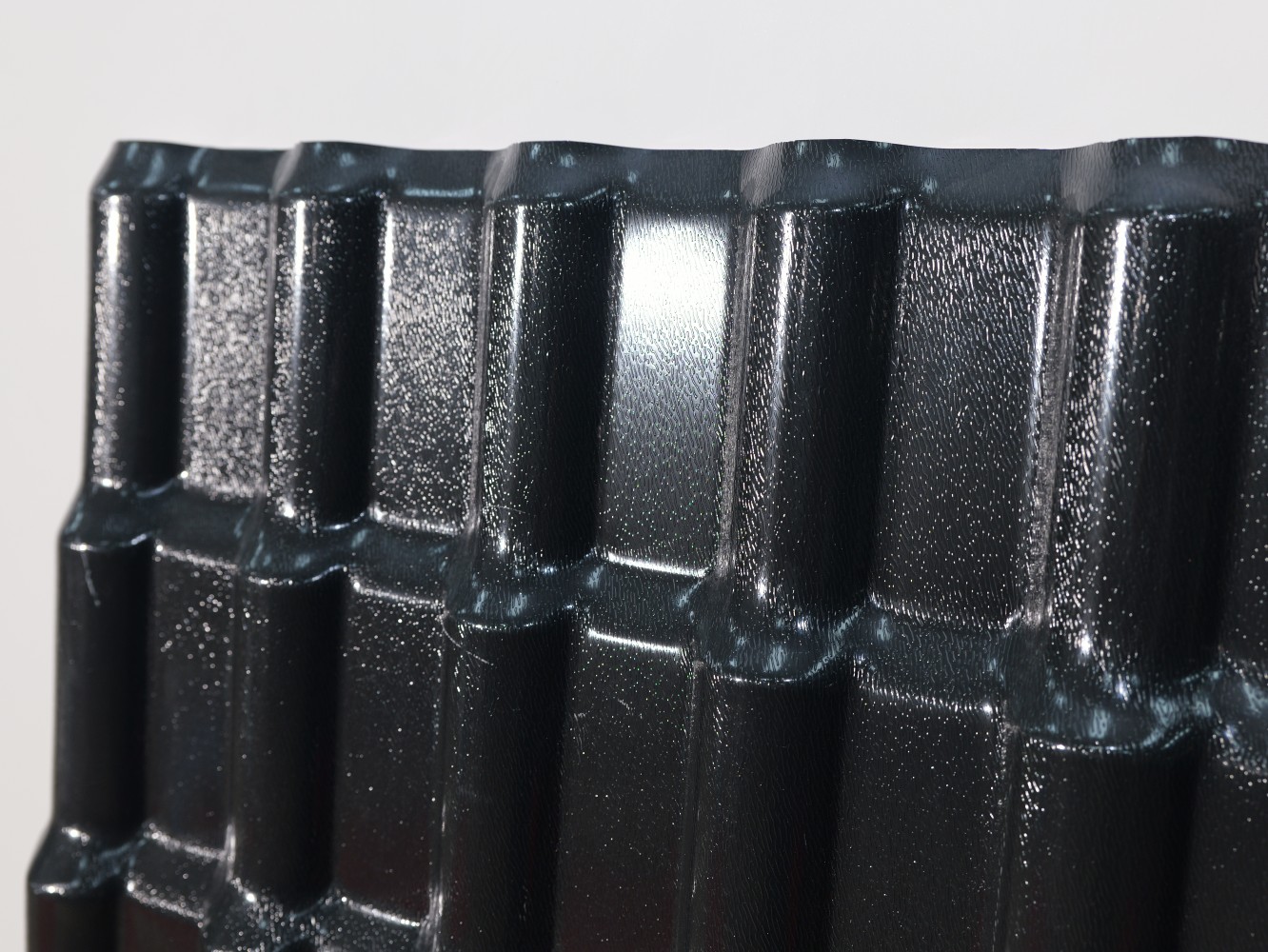
Plastic roof panels are widely used in industrial buildings, farm structures, навесы для автомобилей, склады, рынки, walkways, and lightweight residential projects. The phrase sounds simple, but it covers several different materials. PVC panels, UPVC panels, ASA synthetic resin panels, FRP panels, and polycarbonate panels can all appear under the broader plastic roofing category. Readers can review Roofing for related context.
These products do not perform in the same way. Some focus on low-cost coverage. Some focus on corrosion resistance. Some focus on daylight transmission. Others focus on appearance, color stability, or long outdoor service life. A useful guide should explain the differences before discussing price or supplier choice.
What Are Plastic Roof Panels?
Plastic roof panels are roofing sheets made from polymer-based materials. They usually come in corrugated, wave, trapezoid, or tile-like profiles. Their main role is to protect buildings from rain, солнечный свет, ветер, and dust while keeping the roof structure lighter than many traditional materials.
The term plastic does not mean one fixed quality level. A basic plastic panel and a multi-layer synthetic resin panel may look similar from a distance. Their raw materials, surface layer, устойчивость к ультрафиолетовому излучению, impact behavior, and expected service life can differ a lot. This is why buyers should compare structure and use case, not only product name.

Main Types Of Plastic Roof Panels
PVC roof panels are common in practical building projects. They are lightweight, easy to handle, and resistant to many humid or corrosive environments. PVC panels often suit workshops, farm sheds, storage buildings, and simple commercial roofing. Their performance depends on formulation, толщина, profile strength, and production control.
UPVC roof panels use a more rigid plastic structure. They can offer better shape stability than basic PVC products. Many projects choose UPVC panels when they need corrosion resistance, manageable weight, and cleaner long-term appearance. UPVC panels often cost more than basic PVC panels because the formulation needs stronger control. Readers can review ПВХ for related context.
ASA synthetic resin roof panels usually include a weather-resistant surface layer. This surface helps improve outdoor aging resistance and color retention. ASA resin panels often appear in residential, villa, resort, and public building projects where appearance matters as much as function.
FRP roof panels often serve industrial daylighting and corrosion-resistant applications. They can work well in factories, greenhouses, and buildings that need partial light transmission. Their quality depends on resin system, fiberglass content, толщина, and surface treatment. Readers can review Industrial for related context.
Polycarbonate roof panels are often used for canopies, walkways, skylights, greenhouses, and covered public areas. Their main advantage is light transmission. UV coating, impact strength, sheet structure, and clarity all affect performance and price.
Where Plastic Roof Panels Are Used
Plastic roof panels fit many lightweight roofing needs. Farmers may use them for animal shelters, equipment sheds, or crop storage. Factory owners may use them for workshops or auxiliary buildings. Contractors may use them for carports, рынки, and temporary commercial roofs. Homeowners may use them for patios, garden buildings, and extensions.
The right panel depends on the environment. A coastal area may need stronger corrosion resistance. A hot region may need better heat and UV performance. A public building may need better appearance and color stability. A greenhouse or canopy may need light transmission. Matching the material to the project is the most important step.
What Affects Long-Term Performance?
Material formulation has a major effect on performance. Better resin, stabilizers, and surface layers can improve outdoor durability. A low-cost panel may save money at the start, but weak formulation can lead to fading, растрескивание, deformation, or shorter service life.
Thickness also matters, but it should not be judged alone. A thicker sheet can offer better handling strength, yet profile design and material quality also matter. Two panels with the same thickness may perform differently if one uses better raw material and stronger production control.
Profile design affects drainage, жесткость, и установка. Corrugated and wave profiles are common because they improve stiffness. Tile-like profiles can improve appearance. The correct profile depends on roof slope, расстояние между прогонами, воздействие ветра, and building style.
Installation Details That Should Not Be Ignored
Plastic roof panels need correct installation to perform well. Poor screw placement, weak overlap, wrong purlin spacing, or rough handling can create leaks and early damage. The supplier should provide basic installation advice before the project starts.
Roof slope matters because it affects water drainage. Overlap length matters because it affects leak resistance. Screw type and washer quality also matter because they protect fixing points. These details may look small, but they often decide whether a roof performs well after heavy rain or strong wind.
How To Compare Plastic Roof Panel Prices
Price should be compared by effective coverage, not only by sheet size. A panel with a wider total width may not cover more roof area after overlap. Buyers should calculate cost per installed square meter before making a decision.
Specification also needs careful comparison. Material type, толщина, профиль, surface layer, цвет, длина, упаковка, and order quantity all affect price. If one quotation is much lower, the buyer should check whether the sheet is thinner, the surface layer is weaker, or the packing is simpler.
Transport and damage risk also belong in the cost discussion. Strong packing can reduce breakage during loading and unloading. Clear labeling can help warehouse teams manage stock. These details support real project value even when they do not appear as a separate line in a quotation.
Practical Selection Framework
Start with the building type. Then consider local weather, конструкция крыши, appearance needs, and expected service life. After that, compare material type and specification. This order helps avoid a common mistake: choosing the cheapest panel before defining the roof requirement.
For simple utility buildings, basic PVC panels may be enough. For humid or corrosive environments, UPVC panels may be more suitable. For appearance-focused projects, ASA resin panels may offer better value. For daylighting needs, FRP or polycarbonate panels may fit better.
Final Takeaway
Plastic roof panels are not one single product. They include several materials with different strengths, limits, and price logic. A strong comparison should look at material structure, use case, weather exposure, installation details, and long-term maintenance risk.
The best choice is not always the lowest price. It is the panel that matches the building, климат, конструкция крыши, and expected service life. This approach helps buyers choose plastic roofing materials with better confidence and fewer project problems.