
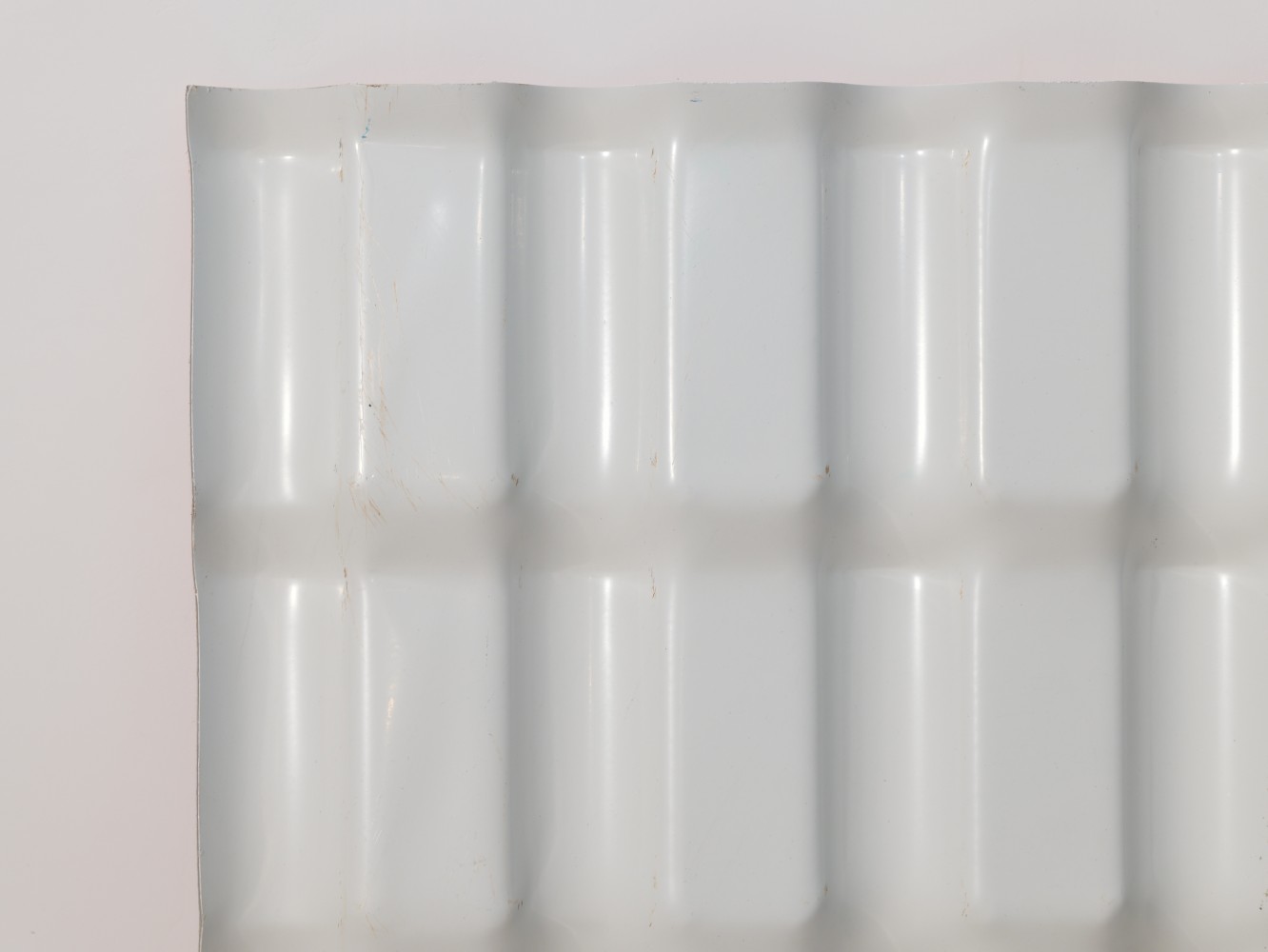
Synthetic resin roof tiles are lightweight roofing tiles made from polymer-based materials. Many overseas buyers also search for them as ASA roof tiles, PVC roof tiles, UPVC roof tiles, or plastic roof tiles. These names overlap in the market, but they do not always mean the same product structure. Readers can review Resin for related context.
A useful definition should be practical. Synthetic resin roof tiles are designed to give a tile-style roof appearance with lower weight, коррозионная стойкость, and easier handling than many traditional roofing materials. They are common in villas, сельские дома, курорты, навесы для автомобилей, рынки, workshops, and low-rise public buildings.
Что такое черепица из синтетической смолы?
Synthetic resin roof tiles are shaped roofing panels that imitate the look of traditional roof tiles. They usually use a wave or Spanish-style profile. This profile helps water drainage and gives the roof a more finished appearance than a flat sheet.
The product belongs to the broader plastic roofing category. It is different from a simple corrugated PVC sheet because it often focuses more on appearance, surface weather resistance, and tile-style installation. It is also different from clay tile because it uses a lighter polymer structure.

How Are Synthetic Resin Roof Tiles Usually Structured?
Many synthetic resin roof tiles use a layered structure. The surface layer often uses ASA material. The body layer often uses PVC, ПВХ, or a related resin formulation. Some products also include middle layers that support strength, shape stability, or cost control. Readers can review Roof for related context.
The surface layer matters because it faces sunlight, дождь, dust, and temperature changes first. A better surface layer can help color retention and outdoor aging resistance. The body layer matters because it affects rigidity, impact behavior, and installation handling.
Buyers should ask suppliers to explain the layer structure clearly. A tile that only looks similar in photos may not use the same material quality. The surface layer, формулировка тела, profile design, and thickness all affect the final result.
Why Does ASA Matter?
ASA is often used as the exposed weathering layer on higher-grade synthetic resin roof tiles. Its main role is to protect the visible surface from outdoor aging. This can help the tile keep a more stable color and appearance under sunlight. Readers can review And for related context.
ASA does not make every roof tile perfect. It still depends on layer thickness, производственный контроль, установка, roof slope, and local weather. Buyers should treat ASA as one important quality factor, not as the only factor.
Where Are Synthetic Resin Roof Tiles Used?
Synthetic resin roof tiles are often used on low-rise buildings that need a clean tile appearance without heavy roof load. Common uses include villas, сельские дома, garden buildings, tourist buildings, школы, небольшие коммерческие здания, and carports.
They also fit many humid or coastal environments where corrosion resistance matters. Metal roofing can work well in many buildings, but coating quality becomes important near salt air or chemical exposure. Resin tiles give buyers another option when they want a lighter and corrosion-resistant roof.
They are less suitable for every project. Very high-load roofs, special fire-rated projects, or buildings with unusual structural requirements may need other materials. A responsible supplier should discuss these limits before selling the product.
What Benefits Do Buyers Usually Look For?
The first benefit is lower weight. A lighter roofing tile can reduce handling pressure during installation. It may also suit light steel structures and renovation projects where roof load matters.
The second benefit is corrosion resistance. Resin roof tiles do not rust like untreated metal. This makes them useful in humid, rainy, or coastal regions when the building design is suitable.
The third benefit is easier installation. Workers can cut, move, and position resin tiles with less effort than many heavy roofing materials. Correct screws, шайбы, перекрывать, and purlin spacing still matter.
The fourth benefit is appearance. The tile-style profile can suit houses, курорты, виллы, and public buildings better than a basic industrial sheet. Color and surface stability become important in these projects.
What Specifications Should Buyers Check?
Thickness is important, but it should not be the only check. Buyers should also review total width, effective coverage width, wave profile, length, цвет, surface layer, материал корпуса, and accessory system.
Effective coverage width deserves attention. A tile may have a wide total width but lose some area after side overlap. Buyers should calculate cost by installed coverage, not only by sheet size.
Profile shape also matters. A deeper or stronger profile may help rigidity and drainage. It may also change installation details. The roof slope, расстояние между прогонами, and local wind conditions should guide the final choice.
Installation Details That Affect Performance
Good material can still fail if the installation is careless. Roof slope affects water drainage. Side overlap and end overlap affect leak resistance. Screw position affects fixing strength. Washer quality affects the seal around each fixing point.
Installers should avoid overtightening screws. They should also leave enough allowance for thermal movement when the product and roof design require it. Storage before installation also matters. Tiles should stay flat, clean, and protected from rough handling.
How To Judge Supplier Quality
Buyers should ask for more than a price list. Useful supplier information includes real product photos, cross-section photos, packing photos, loading photos, specification sheets, and basic installation guidance.
Stable production matters because roofing orders often repeat. If color, толщина, or profile changes between batches, distributors may face complaints. A supplier with better production control should explain how it manages layer consistency, подбор цвета, and packing.
For export orders, packing deserves careful review. Long tiles can bend or scratch during loading if packing is weak. Clear labels and protective stacking help importers handle warehouse storage and distribution.
Common Buying Mistakes
The most common mistake is comparing only the lowest price. A low quotation may come from thinner material, weaker surface treatment, smaller coverage width, or simpler packing. It may not represent the same product.
Another mistake is ignoring the roof structure. The same tile may perform differently on different purlin spacing or roof slope. Buyers should share project details before confirming the order.
A third mistake is asking for broad service-life promises without checking product structure. Service life depends on material, климат, установка, обслуживание, and exposure. A practical buyer should ask for specifications and realistic use conditions instead of accepting simple claims.
Final Takeaway
Synthetic resin roof tiles are a useful roofing option when buyers need lightweight tile-style roofing with corrosion resistance and practical installation. They can work well for many houses, виллы, курорты, сельские постройки, навесы для автомобилей, and public projects.
The best choice depends on the roof structure, местный климат, surface layer, формулировка тела, толщина, эффективное покрытие, installation method, and supplier control. Buyers who compare these details will understand synthetic resin roof tiles more clearly and avoid many common sourcing mistakes.