
Produttore di lastre per coperture UPVC per tetti industriali e agricoli
La lastra di copertura UPVC è rigida, copertura del tetto in plastica profilata utilizzata in caso di corrosione, umidità, e l'esposizione ripetuta ad ambienti agricoli o industriali rendono difficile la manutenzione del metallo non rivestito. I prodotti disponibili includono lastre per coperture ondulate in UPVC, pannelli per tetti cavi in UPVC a doppio strato e lastre per coperture in UPVC rivestite con ASA in lunghezze personalizzate, colori e profili. Le prestazioni dipendono dalla struttura del foglio, geometria del profilo, pendenza del tetto, spaziatura del supporto, giri laterali e finali, pressione del dispositivo di fissaggio, e indennità per il movimento termico.

Karina Su
Chiamata: +86 15306896380
Tipi di lastre per coperture UPVC
Lastra per copertura UPVC rivestita in ASA
Le lastre per coperture in UPVC rivestite in ASA combinano uno strato strutturale rigido in UPVC con una superficie ASA esposta resistente agli agenti atmosferici. Questa struttura viene utilizzata laddove è richiesta una migliore stabilità del colore in esterno e resistenza alla luce solare prolungata.
T940 Lastra per copertura in UPVC cava a doppio strato
Le lastre per coperture cave in UPVC a doppio strato contengono spazi d'aria interni che influenzano il trasferimento di calore e il comportamento del rumore della pioggia. Sono adatti per progetti che richiedono una struttura di pannelli più consistente rispetto a una lamiera ondulata monostrato convenzionale.
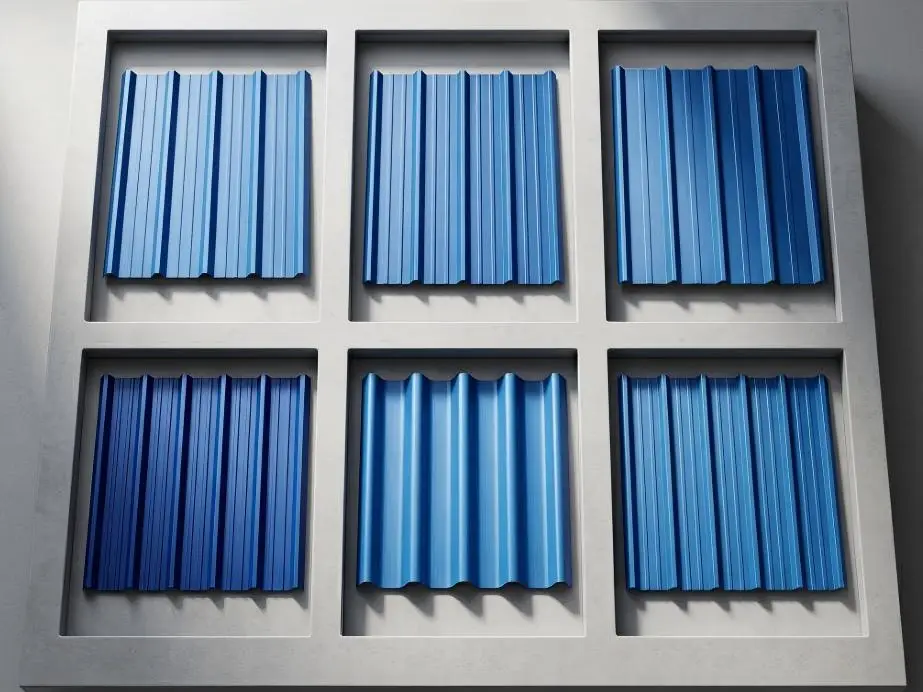
T1130 Lastra per copertura UPVC ondulata
Le lastre di copertura ondulate in UPVC utilizzano una struttura ondulata profilata progettata per il drenaggio del tetto, stabilità longitudinale e sovrapposizione efficiente.
Profili di lastre di copertura in UPVC e strutture di materiali
| Specifica | Foglio ondulato UPVC | Foglio UPVC cavo | Foglio UPVC rivestito ASA |
|---|---|---|---|
| Profilo tipico | T1130 ondulato | T940 cavo | Ondulato, piastrella o romana |
| Larghezza effettiva | 1130 mm | 940 mm | Secondo il profilo |
| Spessore | 1.5–3,0 mm | 6–12 mm | Secondo la struttura |
| Lunghezza | Personalizzato | Personalizzato | Personalizzato |
| Colore | Opzioni personalizzate | Opzioni personalizzate | Opzioni personalizzate |
| Strato superficiale | PVC | PVC | Superficie resistente agli agenti atmosferici ASA |
| Utilizzo tipico | Fabbrica, azienda agricola, magazzino | Fabbrica, magazzino, tetti commerciali selezionati | Residenziale, progetti commerciali e ad alto UV |
- Lastra di copertura ondulata in UPVC (Profilo T1130): 1130larghezza effettiva mm con opzioni di spessore elencate da 1,5 mm a 3 mm. Il profilo ondulato ripetuto supporta il drenaggio e la stabilità del profilo nelle officine, magazzini, e tetti agricoli.
- Lastra di copertura cava in UPVC a doppio strato (Profilo T940): 940larghezza effettiva mm con opzioni di spessore elencate da 6 mm a 12 mm. Il suo spazio aereo interno modifica il comportamento termico e acustico, ma l'inclinazione del tetto e la disposizione dei supporti controllano comunque il risultato dell'installazione.
- Lastra di copertura in UPVC rivestita in ASA: Una superficie resistente agli agenti atmosferici ASA può essere combinata con strati strutturali UPVC per piastrelle, romano, o profili piatti. Le dichiarazioni relative al colore e agli agenti atmosferici devono seguire lo strato superficiale selezionato e le relative specifiche di prodotto verificate.
Dove le lastre per coperture UPVC si adattano meglio
Lastra per copertura in UPVC per officine industriali
- I profili ondulati rigidi sono adatti ai tetti che necessitano di canali di drenaggio definiti e resistenza all'aria umida o corrosiva. La compatibilità chimica dipende ancora dalla concentrazione, temperatura, tempo di esposizione, e gli elementi di fissaggio metallici utilizzati con il foglio.
Lastra per copertura UPVC per azienda agricola & Edifici di magazzino
- Umidità del bestiame, ammoniaca, materiali immagazzinati, e la formazione di condensa rendono la scelta della ventilazione e degli elementi di fissaggio altrettanto importante quanto il corpo della lamiera. Il tetto necessita di una pendenza adeguata, spaziatura del supporto, e un chiaro percorso di drenaggio.
Lastra di copertura UPVC per edifici costieri
- Il corpo in lamiera UPVC non arrugginisce, ma viti, rondelle, arcarecci, lampeggiante, e l'acqua stagnante rimangono esposte al sale e all'umidità. Vedi il Guida all'applicazione costiera delle lastre per coperture in UPVC per la logica completa del sistema tetto.
Lastra per coperture UPVC per progetti di ristrutturazione del tetto
- Il peso inferiore della lamiera può ridurre il carico aggiuntivo sul tetto, ma il telaio esistente, condizione dell'arcareccio, pendenza del tetto, e la disposizione del drenaggio deve ancora essere controllata. Confronta il più ampio tipi di lamiera di copertura prima di assegnare un materiale alla struttura esistente.
Cosa controlla le prestazioni del tetto UPVC?
1. Condizioni dei materiali e della corrosione
Il corpo in lamiera UPVC non arrugginisce come l'acciaio esposto. La sua idoneità all'aria industriale dipende ancora dal tipo di prodotto chimico, concentrazione, temperatura, tempo di contatto, e condizioni di pulizia.
I componenti metallici rimangono parte del sistema del tetto. Viti, rondelle, arcarecci, e lampeggianti necessitano di materiali adatti alla stessa esposizione. Questa visione del sistema è particolarmente importante in copertura costiera in UPVC.
2. Struttura della lamiera e movimento del calore
L'UPVC ha un comportamento termico diverso dal metallo, ma un foglio di plastica da solo non dovrebbe essere descritto come un isolamento completo del tetto. I profili cavi aggiungono spazi aerei interni, mentre i singoli profili ondulati fanno più affidamento sulla ventilazione e sull'edificio sottostante.
Sia il PVC che l'UPVC si muovono al variare della temperatura. I fogli lunghi accumulano più movimento, quindi indennità di buca, pressione della lavatrice, lunghezza del foglio, e le ostruzioni su muri o creste devono essere coordinate. IL Lastra per coperture in PVC vs UPVC la guida spiega la differenza materiale.
3. Stabilità del profilo ed esposizione agli agenti atmosferici
Spessore, formulazione, profondità del profilo, e supportare la spaziatura lavorare insieme. Un valore di impatto o carico si applica solo al profilo della lamiera testato e alle condizioni del supporto; non dovrebbe essere trattato come un valore universale per ogni pannello UPVC.
Esposizione ai raggi UV, orientamento del tetto, colore, strato superficiale, drenaggio, e la manutenzione influiscono sull'aspetto nel tempo. I profili rivestiti in ASA dovrebbero essere identificati separatamente dagli UPVC standard perché la struttura della superficie esposta è diversa.
4. Dettagli di installazione che proteggono il foglio
Il disegno del profilo approvato dovrebbe controllare la copertura effettiva, giro laterale, fine giro, pendenza del tetto, e disposizione degli arcarecci. Un profilo dall'aspetto simile può produrre un giro scadente se l'altezza della corona o la spaziatura delle onde differiscono.
Gli elementi di fissaggio devono sigillare il tetto senza schiacciare il profilo o bloccare il movimento termico. Preforatura pulita, rondelle compatibili, allineamento diritto della vite, e materia di serraggio controllata sia per UPVC che Lastre per coperture in PVC.
Cosa determina i prezzi delle lastre per coperture UPVC?
I prezzi delle lastre per coperture UPVC dipendono dal profilo selezionato, struttura in fogli, spessore, lunghezza, strato superficiale, colore, quantità dell'ordine, imballaggio e destinazione.
Una lamiera ondulata monostrato, un pannello cavo a doppio strato e una lastra di copertura UPVC rivestita in ASA utilizzano strutture di materiali diversi e non devono essere confrontati solo in base al prezzo per lastra. Dovrebbero essere considerati anche la larghezza di copertura effettiva e il prezzo al metro quadrato.
Per un preventivo accurato, gli acquirenti devono fornire il profilo richiesto, spessore, lunghezza del foglio, superficie totale o quantità del tetto, colore, accessori e porto di destinazione.
Domande frequenti sulle lastre per coperture UPVC
Di cosa è fatta la lastra di copertura UPVC?
UPVC significa cloruro di polivinile non plastificato. Le formulazioni per coperture combinano la struttura vinilica rigida con stabilizzanti, pigmenti, coadiuvanti tecnologici, e altri modificatori selezionati per il profilo e l'esposizione. Un foglio UPVC rivestito in ASA aggiunge una superficie resistente agli agenti atmosferici separata sopra lo strato strutturale UPVC.
Qual è la differenza tra le lastre per coperture in PVC e UPVC?
Le lastre per coperture in PVC sono generalmente formulate per una maggiore flessibilità durante la movimentazione e la formatura. UPVC utilizza una struttura più rigida che supporta la stabilità del profilo. Entrambi i materiali necessitano comunque di un'adeguata inclinazione del tetto, spaziatura del supporto, sovrapposizione, pressione del dispositivo di fissaggio, e indennità di movimento termico. Vedi il Confronto tra lastre per coperture in PVC e UPVC.
Le lastre per coperture in UPVC sono adatte per le zone costiere?
Possono essere adatti quando l'intero sistema del tetto affronta il problema del sale, umidità, drenaggio, e condensa. Il corpo in lamiera non arrugginisce, ma viti, rondelle, arcarecci, lampeggiante, e altre parti metalliche necessitano ancora di una resistenza alla corrosione compatibile. Leggi il guida per coperture costiere in UPVC.
Ciò che controlla la sovrapposizione e la spaziatura degli arcarecci per le lastre del tetto UPVC?
Il disegno del profilo selezionato, spessore della lamiera, pendenza del tetto, lunghezza di drenaggio, condizioni del vento, e il materiale di supporto controlla queste dimensioni. Le sovrapposizioni laterali devono corrispondere alla geometria del profilo, mentre i giri finali dovrebbero atterrare su un supporto adeguato. Non è necessario applicare un valore universale di spaziatura o sovrapposizione a ogni lastra UPVC.
Quanto può durare una lastra di copertura in UPVC?
Non esiste un numero unico di durata utile per ogni lastra di copertura in UPVC. Formulazione, spessore, strato superficiale, Esposizione ai raggi UV, pendenza del tetto, spaziatura del supporto, elementi di fissaggio, drenaggio, e la manutenzione influiscono tutti sul risultato. Una durata o una garanzia specifica dovrebbero essere legate alle specifiche del prodotto selezionato e alle condizioni dichiarate.