
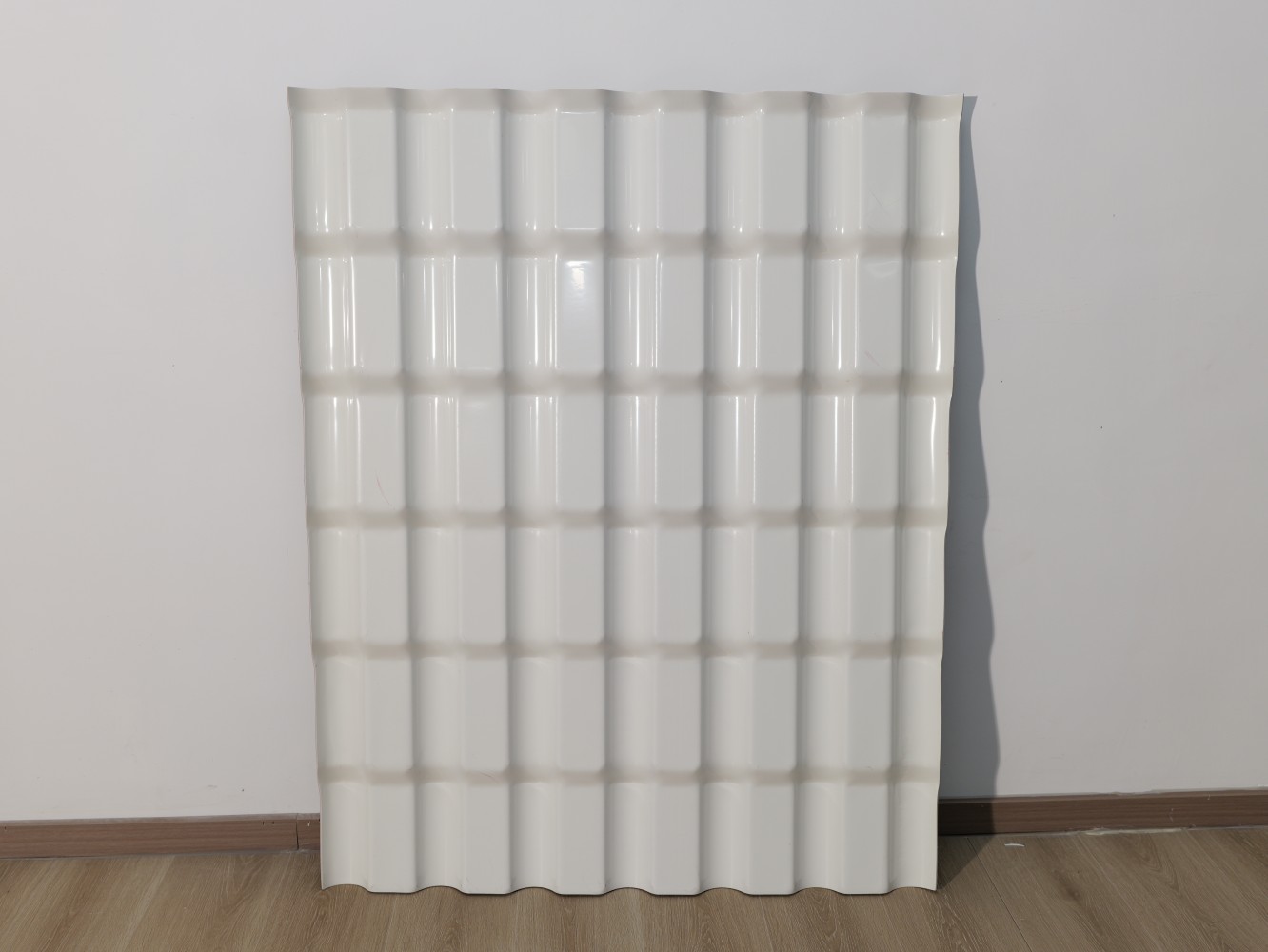
Roofing sheets types and prices are not easy to compare from a simple quotation. Many products look similar in photos, yet their materials, service life, installation needs, and maintenance risks can differ a lot. A useful price discussion needs more than a low number per sheet. It needs a clear explanation of what the buyer actually gets.
The roofing sheet market includes PVC sheets, UPVC sheets, ASA synthetic resin sheets, metal sheets, FRP sheets, and polycarbonate sheets. Each type has a different purpose. Some products focus on low-cost coverage. Some focus on weather resistance. Others focus on daylight, strength, or corrosion resistance. Price makes sense only after the material type and building use become clear.
Why Roofing Sheet Type Comes Before Price
A roof is not just a cover over a building. It affects heat, water protection, noise, صيانة, and the appearance of the whole project. That is why the cheapest sheet may not give the lowest long-term cost. A buyer should first ask what the roof must handle. Then the price comparison becomes more accurate.
For example, a farm building may need corrosion resistance and easy cleaning. A warehouse may need fast installation and stable coverage. A market or walkway may need light transmission. A coastal building may need better resistance to salt and humidity. These different uses can point to different roofing sheet types.

PVC Roofing Sheets
PVC roofing sheets are common in industrial, agricultural, and light commercial buildings. They are lightweight and easy to handle. They also offer good corrosion resistance for many humid or chemical environments. Their price often depends on thickness, عرض, profile design, stabilizer quality, and order volume.
Basic PVC sheets usually cost less than higher-performance plastic roofing products. They can work well when the project needs practical coverage at a controlled cost. Still, buyers should check formulation and thickness carefully. A weak sheet may age faster under strong sun or high heat.
UPVC Roofing Sheets
UPVC roofing sheets use a rigid plastic structure. They often offer better dimensional stability than basic PVC sheets. Many buyers choose them for factories, warehouses, farms, and buildings in humid areas. The price can be higher because the formulation and production process need stronger control.
UPVC sheet cost also depends on the number of layers, profile strength, and surface quality. A better product may use more stable raw materials and a more consistent production process. This can reduce deformation risk and support a cleaner roof appearance over time.
ASA Synthetic Resin Roofing Sheets
ASA synthetic resin roofing sheets usually target better outdoor performance and appearance. The ASA surface layer helps with weather resistance and color retention. These sheets often appear in residential, villa, resort, and public building projects where roof appearance matters. يمكن للقراء مراجعة Resin للسياق ذي الصلة.
ASA resin sheets usually cost more than basic PVC or UPVC options. The higher cost comes from the surface layer, product structure, and appearance requirements. For projects that need long-term color stability, this added cost may make sense.
Metal Roofing Sheets
Metal roofing sheets include galvanized steel, color steel, and aluminum sheets. They can offer strong load performance and wide availability. Their price changes with the metal market. Coating, paint quality, anti-corrosion treatment, and sheet thickness also affect the quotation.
Metal sheets can work well for many large buildings, but corrosion risk deserves attention. In coastal or chemical environments, coating quality becomes very important. A cheap metal sheet with weak coating may create maintenance problems later.
FRP And Polycarbonate Roofing Sheets
FRP roofing sheets often serve industrial daylighting or corrosion-resistant applications. Polycarbonate sheets often appear in skylights, canopies, greenhouses, and walkways. These materials are not always direct substitutes for opaque roofing sheets. Their main value often comes from light transmission.
Their prices depend on thickness, transparency, UV protection, جودة السطح, and sheet structure. A buyer should compare light transmission, aging resistance, and impact performance before choosing only by price.
What Factors Change Roofing Sheet Prices?
Thickness is the easiest factor to notice. A thicker sheet uses more material and often costs more. Width and effective coverage also matter. Two sheets may have the same total width but different installed coverage. That difference can change the real cost per square meter. يمكن للقراء مراجعة Cost Per Square Meter للسياق ذي الصلة.
Raw material quality has a major effect on price. Better resin, additives, surface layers, coatings, and stabilizers raise production cost. They can also improve outdoor performance. A lower quotation may come from recycled material, thinner structure, weaker surface treatment, أو التعبئة أخف وزنا. يمكن للقراء مراجعة Roofing Sheet Prices Are Rising in 2026 — Here’s How to Lock In the Best Rate Before the Next Increase للسياق ذي الصلة.
Production consistency also has value. Stable thickness, clear wave shape, neat edges, and consistent color help installation and reduce complaints. Factories with stronger process control may not always offer the lowest price, but they can reduce risk for distributors and contractors.
How To Compare Prices More Fairly
Buyers should compare prices by the same unit. A quotation per sheet can look cheaper than a quotation per square meter. That does not mean it is better. The sheet length, عرض, تداخل, and effective coverage must be checked before the real price becomes clear.
Buyers should also compare the same specification. Thickness, حساب تعريفي, لون, layer structure, surface treatment, and packing must match. If one supplier quotes a thinner sheet, the lower price may not represent a better deal. It may simply represent a different product.
Real Cost Includes Installation And Maintenance
The real cost of roofing sheets includes installation speed, accessory use, transport, damage rate, and maintenance. A lightweight sheet may reduce handling time. A stronger packing method may reduce breakage. A more durable surface may reduce complaints after the project finishes.
This is why experienced buyers often review product photos, صور التعبئة, loading details, and installation advice before they confirm an order. These small details help reveal whether the supplier understands real projects or only offers a low price.
الوجبات الجاهزة النهائية
Roofing sheets types and prices should be studied through material purpose and real project cost. PVC, يو بي في سي, راتنج آسا, معدن, فرب, and polycarbonate sheets all have their own place in the market. A fair comparison starts with building use, climate, expected service life, and required appearance.
The best price is not always the lowest quotation. It is the price that matches the right material, stable quality, clear specification, safe packing, and reasonable long-term performance. This approach helps buyers understand the roofing sheet market with more confidence.